Monthly Archives: December 2025

Exploring the Impact of Anti-Static Floors in Industrial Settings

Generated Image

In industrial environments where electronic components and sensitive machinery are prevalent, the threat of static electricity is a significant concern. The accumulation of static charges can lead to unexpected equipment failures, increased maintenance costs, and even potential safety hazards. Anti-static floors have emerged as a crucial solution in mitigating these risks, providing a safer and more efficient working environment. This article delves into the impact of anti-static flooring in industrial settings, exploring its benefits and practical applications.

Understanding Anti-Static Flooring

Anti-static floors, also known as electrostatic discharge (ESD) floors, are specially designed to reduce or eliminate the buildup of static electricity. These floors are constructed using materials that either dissipate static charges or conduct them away safely. The strategic implementation of anti-static flooring is essential in environments where static sensitivity is high.

Types of Anti-Static Flooring

  • Conductive Flooring: Conducts static charges away from the surface, typically to a grounding point.
  • Dissipative Flooring: Slows down the flow of electricity, allowing charges to dissipate harmlessly.
  • Static Dissipative Tiles: Common in environments where high traffic may generate more static, offering a balance between conductive and dissipative properties.

Benefits of Anti-Static Floors in Industrial Settings

Enhanced Safety

Industrial environments can be hazardous, with various risks from static discharge. Anti-static floors play a vital role in enhancing safety by:

  • Reducing the risk of fire or explosion caused by static sparks.
  • Preventing static shocks to personnel, which can lead to accidents.

Improved Equipment Longevity

Static electricity can cause damage to sensitive electronic components, leading to costly repairs or replacements. Anti-static flooring helps in:

  • Extending the lifespan of electronic equipment and machinery.
  • Reducing downtime and maintenance costs associated with static-related failures.

Compliance with Industry Standards

Many industries have stringent regulations regarding static electricity management. Implementing anti-static flooring ensures compliance with standards such as:

  • IEC 61340-5-1: International standards for ESD control.
  • ANSI/ESD S20.20: U.S. standard for ESD control programs.

Applications of Anti-Static Flooring

The use of anti-static floors is widespread across various sectors, each with its specific requirements and challenges:

Electronics Manufacturing

In electronics manufacturing, even a small static discharge can destroy sensitive components. Anti-static flooring is crucial to:

  • Protect integrated circuits and microchips from ESD damage.
  • Ensure the reliability and quality of electronic products.

Pharmaceutical and Chemical Industries

In environments where volatile chemicals are handled, static control is critical to prevent hazardous incidents. Anti-static floors:

  • Minimize the risk of igniting flammable substances.
  • Ensure a safe working environment for employees.

Data Centers

Data centers house critical infrastructure that demands optimal static control. Anti-static flooring helps in:

  • Protecting servers and storage devices from static-related failures.
  • Maintaining data integrity and system uptime.

Conclusion

The implementation of anti-static flooring in industrial settings is a proactive measure to enhance safety, protect equipment, and ensure compliance with industry standards. As industries continue to adopt cutting-edge technologies, the role of anti-static solutions becomes increasingly important. By understanding and addressing the challenges posed by static electricity, industries can achieve greater efficiency and safety in their operations.

Enhance Your Garden with These Stunning Small Flowering Trees in NZ

Generated Image

In the diverse climates of New Zealand, small flowering trees serve as vibrant focal points, providing bursts of color and texture to any garden. These trees not only enhance the aesthetic appeal of outdoor spaces but also contribute to the local ecosystem by attracting pollinators. Whether nestled in a compact urban garden or sprawling rural landscape, selecting the right small flowering tree can elevate the garden’s charm and functionality. Understanding the unique attributes of these trees is essential to making informed choices that suit specific environmental conditions and personal preferences.

Top Small Flowering Trees for New Zealand Gardens

1. Camellia

Renowned for their glossy leaves and stunning blooms, Camellias are perfect for adding a touch of elegance. They thrive in semi-shaded areas and can be a spectacular addition to any garden.

  • Varieties: Consider Camellia japonica and Camellia sasanqua.
  • Bloom Time: Winter to early spring.
  • Care Tips: Ensure well-drained, acidic soil and regular watering.

Discover expert strategies here to optimize your garden’s beauty with Camellias.

2. Magnolia

With their large, fragrant flowers, Magnolia trees are a showstopper. They can adapt to various environments, making them a versatile choice.

  • Varieties: Magnolia stellata and Magnolia liliflora are popular picks.
  • Bloom Time: Early spring.
  • Care Tips: Prefers full sun to partial shade and nutrient-rich soil.

Learn about our tailored solutions for integrating Magnolias into your garden by visiting this link.

3. Crabapple (Malus)

Known for their ornamental value, Crabapple trees offer a profusion of spring blossoms and attractive autumn fruit, adding year-round interest.

  • Varieties: Explore Malus ?Ioensis? and Malus ?Royalty? for stunning options.
  • Bloom Time: Spring.
  • Care Tips: They require full sun and well-drained soil.

Explore advanced guides and tips on planting Crabapple trees here.

Considering Environmental Factors

The success of small flowering trees in a garden depends significantly on understanding and accommodating the environmental conditions. Factors such as soil type, sunlight exposure, and local climate should guide the selection process.

  • Soil Type: Ensure soil compatibility with the chosen tree species for optimal growth.
  • Sunlight: Match the sunlight requirements of the tree with the available garden space.
  • Climate: Consider the local climate and choose trees that are well-suited to those conditions.

Find out more about this approach to selecting flowering trees by exploring the resources available here.

Maintenance and Care

Proper maintenance and care are critical to ensuring that flowering trees flourish and sustain their beauty over time.

  • Pruning: Regular pruning helps maintain the tree’s shape and encourages healthy growth.
  • Watering: Consistent watering is essential, especially during dry spells.
  • Pest Control: Monitor for pests and diseases to protect the trees.

Discover more about effective tree maintenance techniques by visiting this resource.

By carefully selecting and maintaining small flowering trees, gardeners in New Zealand can create stunning landscapes that are not only visually appealing but also environmentally beneficial. For those seeking further insights and expert advice, exploring the comprehensive guides and solutions available online can provide valuable support in achieving the desired garden transformation.

How to Choose the Best Wrongful Death Lawyer Near Me

Generated Image

Choosing the right wrongful death lawyer can be a daunting task, especially during a time of emotional distress. The right legal representation can significantly influence the outcome of a case, providing the necessary support and expertise. This guide aims to assist in understanding the key factors to consider when selecting a wrongful death lawyer in your vicinity. With numerous options available, making an informed decision is crucial for achieving justice for your loved one.

Understanding the Role of a Wrongful Death Lawyer

A wrongful death lawyer specializes in representing families who have lost a loved one due to another’s negligence or intentional harm. These legal professionals are adept at navigating the complexities of wrongful death claims, ensuring that the rights of the grieving families are upheld.

Key Responsibilities

  • Investigating the circumstances surrounding the death.
  • Gathering and analyzing evidence to support the claim.
  • Negotiating settlements with insurance companies.
  • Representing the family in court if necessary.

Factors to Consider When Choosing a Lawyer

Selecting the right lawyer requires careful consideration of several factors. Here are some essential aspects to evaluate:

Experience and Expertise

The lawyer’s experience in handling wrongful death cases is critical. Look for a professional with a proven track record of successful outcomes. Discover expert strategies here to understand what makes a lawyer proficient in these cases.

Reputation and Reviews

Research online reviews and testimonials from former clients. Positive feedback can provide insight into the lawyer’s ability to handle a case effectively. Learn about our tailored solutions through client experiences that highlight reliability and professionalism.

Communication Skills

Effective communication is key in legal proceedings. Ensure that the lawyer communicates clearly and keeps you informed about the progress of your case. Good communication also ensures that your questions and concerns are promptly addressed.

Personal Connection

Establishing a personal connection with the lawyer can make the process more comfortable. A compassionate and understanding approach can ease the emotional burden of the legal journey.

Consultation and Fees

Initial consultations are often free and provide an opportunity to evaluate the lawyer’s suitability. During this meeting, discuss the fee structure to avoid any surprises. Many wrongful death lawyers work on a contingency fee basis, meaning they only get paid if you win the case. Find out more about this approach to ensure transparency and fairness in financial arrangements.

Conclusion

Choosing the best wrongful death lawyer involves a thorough evaluation of their experience, reputation, communication skills, and fee structures. By considering these aspects, you can make an informed decision that aligns with your needs. Explore advanced guides and tips to further enhance your understanding of what to look for in a wrongful death lawyer. This careful selection process is crucial to achieving a favorable outcome and securing justice for your loved one.

Discover the Best Concrete Contractors in Topeka, KS for Your Project

Generated Image

Choosing the right concrete contractor for your project in Topeka, KS is crucial to ensuring the success and durability of your construction endeavors. Whether you’re planning to build a new driveway, patio, or a more complex structure, finding skilled professionals can make all the difference. With a plethora of options available, it?s essential to know what to look for in a contractor. This article provides insights into selecting the best concrete contractors in Topeka, KS, and highlights why professional expertise is key to achieving excellent results.

Key Qualities to Look for in Concrete Contractors

When searching for a concrete contractor, consider the following essential qualities:

  • Experience and Expertise: Look for contractors with extensive experience in the specific type of project you are undertaking.
  • Reputation: Choose contractors with a solid reputation in the Topeka area. Check online reviews and ask for references.
  • Licensing and Insurance: Verify that the contractor is fully licensed and insured to protect yourself from any liabilities.
  • Portfolio of Work: Ask to see a portfolio of their past work to ensure their style matches your vision.
  • Communication Skills: Effective communication is vital for ensuring the project meets your expectations.

The Importance of Using Local Contractors

Local contractors bring several advantages to your project:

  • Knowledge of Local Regulations: They are familiar with Topeka’s building codes and regulations, which helps in navigating legal requirements smoothly.
  • Accessibility: Being local means they can offer prompt service and are readily available for any follow-ups or modifications.
  • Community Connections: Local contractors often have established relationships with local suppliers, which can lead to cost savings and timely delivery of materials.

To explore more about the benefits of hiring local contractors, discover expert strategies here.

Understanding Different Concrete Services

Concrete contractors offer a wide range of services. Here are some common ones:

  • Residential Concrete Services: This includes driveways, patios, foundations, and decorative concrete.
  • Commercial Concrete Services: Services for commercial buildings, parking lots, and industrial floors.
  • Repair and Maintenance: Crack repair, resurfacing, and sealing to extend the life of your concrete installations.

For a detailed guide on specific services, learn about our tailored solutions.

Tips for a Successful Concrete Project

Ensuring a successful concrete project requires planning and attention to detail:

  • Detailed Planning: Work with your contractor to create a detailed plan, including timelines and budget estimates.
  • Quality Materials: Insist on using high-quality materials to ensure durability and longevity.
  • Regular Updates: Schedule regular check-ins with your contractor to monitor progress and address any issues promptly.

For more advanced guides and tips, explore advanced guides and tips.

Conclusion

Finding the best concrete contractors in Topeka, KS, involves careful consideration of their experience, reputation, and the range of services offered. By prioritizing local expertise and maintaining open communication, you can ensure that your concrete project is completed to the highest standard. For further insights and strategies, find out more about this approach.

Discover the Best Bioplastic Baby Tableware for Safe Dining

Generated Image

As parents become increasingly conscious of the materials used in their children’s products, the demand for bioplastic baby tableware is on the rise. This innovative material offers a sustainable alternative to traditional plastics, providing a safe and environmentally friendly option for children’s dining needs. Bioplastics are typically derived from renewable sources such as corn starch or sugarcane, making them biodegradable and less harmful to the environment. In this article, we will explore the benefits of bioplastic baby tableware and provide guidance on choosing the best products for safe dining.

Understanding Bioplastics

Bioplastics are a category of plastics that are either biodegradable or derived from renewable biomass sources. Unlike conventional plastics, which are fossil-fuel-based, bioplastics offer a reduced carbon footprint and are more environmentally sustainable. This makes them an attractive option for products that come into direct contact with food, such as baby tableware. Read more about this topic.

Advantages of Bioplastic Baby Tableware

  • Eco-Friendly: Made from renewable resources, bioplastic tableware reduces reliance on fossil fuels and decreases carbon emissions.
  • Biodegradable: Many bioplastics can break down naturally, minimizing environmental impact.
  • Non-Toxic: Free from harmful chemicals such as BPA, phthalates, and PVC, ensuring safety for infants.
  • Durability: Despite being biodegradable, bioplastics are sturdy and can withstand everyday use.

Choosing the Right Bioplastic Baby Tableware

When selecting bioplastic tableware for your child, consider the following factors to ensure the best choice for both safety and sustainability. Learn more in this detailed guide.

Material Source

Understanding the source of the bioplastic is crucial. Look for products made from certified renewable materials, such as corn starch or sugarcane. This information is often available on the product’s packaging or the manufacturer’s website.

Product Certification

Check for certifications that guarantee the product’s safety and environmental impact. Certifications from reputable organizations ensure that the tableware meets certain safety standards and is truly biodegradable.

Design and Functionality

  • Ergonomic Design: Choose products with designs that are easy for small hands to hold and use.
  • Microwave and Dishwasher Safe: Ensure the tableware is suitable for microwave use and can withstand frequent washing.
  • Age Appropriateness: Consider the age recommendations to ensure the tableware is suitable for your child’s developmental stage.

Sustainable Practices in Production

The production process of bioplastic tableware is also a critical factor in its sustainability. Look for manufacturers who prioritize eco-friendly practices, such as reducing waste and utilizing renewable energy sources. Explore further insights here.

Packaging and Shipping

Consider the packaging and shipping methods used by the manufacturer. Opt for companies that use minimal and recyclable packaging materials and who take steps to offset their carbon footprint during distribution.

Conclusion

Bioplastic baby tableware presents a promising alternative to conventional plastic products, offering a safer and more sustainable dining solution for children. By choosing products made from renewable materials, ensuring they are certified for safety, and selecting designs that suit your child’s needs, you can contribute to a healthier planet while providing the best for your child. Find additional information here.

Top Trends in Sydney Pool Fencing Design

Generated Image

Sydney, known for its stunning landscapes and modern architecture, has seen a significant evolution in pool fencing design. The aesthetics and functionality of pool fences have transformed, combining safety with style. For homeowners seeking to enhance their outdoor spaces, understanding the latest trends in pool fencing is essential. This article explores some of the top trends in sydney pool fencing design, ensuring that every pool area not only meets safety standards but also exudes contemporary elegance.

Minimalist and Frameless Glass Fences

One of the most popular trends in pool fencing is the use of frameless glass. This trend emphasizes a minimalist approach, providing an unobstructed view of the pool and the surrounding area. The clean lines and transparency of glass fences blend seamlessly with modern design aesthetics, making them a favorite for contemporary homes.

  • Provides a sleek, modern appearance.
  • Ensures high visibility for safety and supervision.
  • Enhances the overall aesthetic of outdoor spaces.

Eco-Friendly and Sustainable Materials

As environmental consciousness grows, many homeowners are opting for eco-friendly pool fencing materials. These sustainable options do not compromise on style and are becoming increasingly popular in Sydney.

  • Recycled materials such as metals and plastics.
  • Timber from sustainable sources.
  • Low-maintenance options that reduce the carbon footprint.

Customized Designs

Customization is a key trend in pool fencing, allowing homeowners to tailor designs to fit their unique tastes and property layouts. Personalized elements can transform a standard pool fence into a statement piece.

Incorporating Personal Style

  • Custom shapes and designs to match home architecture.
  • Integration of decorative elements such as patterns and textures.
  • Choice of colors and finishes to complement the outdoor space.

Integration of Technology

The integration of technology into pool fencing is an emerging trend that enhances both convenience and safety. Smart pool fences incorporate advanced features that offer homeowners greater control and peace of mind.

  • Automatic locking systems for enhanced security.
  • Alarms and sensors that alert to unauthorized access.
  • Integration with home automation systems for seamless operation.

Blending with Landscaping

A trend that combines nature with design is the blending of pool fences with landscaping. This approach creates a cohesive look that harmonizes the pool area with the natural environment.

  • Use of natural materials like stone and wood.
  • Incorporation of greenery and plantings.
  • Designs that follow the natural contours of the landscape.

Conclusion

The latest trends in sydney pool fencing design highlight a balance between aesthetics, functionality, and sustainability. Homeowners in Sydney have a plethora of options to choose from, allowing them to create pool areas that are safe, stylish, and in harmony with their personal preferences and environmental considerations. By staying informed about these trends, property owners can make educated decisions that enhance the beauty and utility of their outdoor spaces.

The Impact of Extended Day Programs on Early Childhood Education

Generated Image

The landscape of early childhood education is evolving rapidly, with extended day programs emerging as a crucial component in fostering comprehensive development in young learners. These programs provide additional learning opportunities beyond the traditional school hours, offering a structured environment that supports both academic and social growth. While the primary purpose of extended day programs is to accommodate the schedules of working parents, the benefits to children are substantial and far-reaching. This article explores the profound impact of extended day programs on early childhood education and highlights the elements that make them effective.

Comprehensive Development Opportunities

Extended day programs are designed to offer a holistic approach to education, combining academic support with enrichment activities. This approach helps in nurturing various aspects of a child’s development, including:

  • Academic Support: Extended programs often include homework assistance and tutoring, which helps reinforce classroom learning and improve academic performance.
  • Social Skills: By interacting with peers in a structured environment, children develop essential social skills such as communication, teamwork, and conflict resolution.
  • Emotional Growth: A supportive and nurturing environment allows children to express themselves freely, fostering emotional intelligence and resilience.
  • Physical Activities: Programs incorporate physical activities that promote health and wellness, crucial for young learners’ physical development.

Impact on Learning Outcomes

The integration of extended day programs in early childhood education positively influences learning outcomes. These programs provide a platform for experiential learning, where children can apply theoretical knowledge in practical settings. Some of the key impacts include:

  • Improved Academic Performance: Consistent academic support leads to better grades and a deeper understanding of subjects.
  • Enhanced Engagement: Children are more likely to engage with their studies when learning is made enjoyable through creative and interactive activities.
  • Greater Retention Rates: Students participating in extended day programs tend to stay in school longer, reducing dropout rates.

Tailored Curriculum and Flexible Scheduling

Extended day programs often offer a tailored curriculum that adapts to the unique needs of each child. This flexibility allows educators to focus on areas where a child may require additional support, ensuring a personalized learning experience. Learn about our tailored solutions for more insights into personalized education strategies.

Parental Involvement and Community Engagement

Another significant advantage of extended day programs is the increased opportunity for parental involvement and community engagement. Programs often organize events and activities that involve parents, fostering a collaborative environment between educators and families. This collaboration enhances the educational experience and strengthens the community, creating a supportive network that benefits all involved. Discover expert strategies here to engage effectively with the community and enhance educational outcomes.

Challenges and Considerations

While the benefits of extended day programs are clear, certain challenges must be addressed to maximize their effectiveness:

  • Resource Allocation: Ensuring adequate resources and trained staff to cater to the diverse needs of children is crucial.
  • Program Accessibility: Making programs affordable and accessible to all families, regardless of socioeconomic status, is essential for equity in education.
  • Quality Assurance: Maintaining high standards of quality and consistency across programs requires ongoing evaluation and improvement.

Despite these challenges, the potential of extended day programs in shaping the future of education is undeniable. By addressing these considerations, these programs can be an integral part of the educational landscape, providing significant benefits to young learners. Explore advanced guides and tips for improving program quality and accessibility.

Conclusion

Extended day programs play a pivotal role in the holistic development of young learners by providing a structured environment that supports academic, social, emotional, and physical growth. The impact on learning outcomes is significant, with improved academic performance, engagement, and retention rates. Furthermore, these programs foster parental involvement and community engagement, contributing to a supportive educational ecosystem. As challenges are addressed, the future of extended day programs in early childhood education looks promising. Find out more about this approach to harness the full potential of extended day programs in shaping the future of education.

Exploring Software as a Service in Healthcare

Generated Image

In recent years, the healthcare industry has increasingly turned to innovative technology to improve patient care and streamline operations. One of the most significant developments in this domain has been the adoption of Software as a Service (SaaS) solutions. SaaS offers healthcare providers the flexibility, cost-effectiveness, and scalability required to meet the dynamic needs of modern healthcare systems. By enabling healthcare facilities to access sophisticated software applications over the internet, SaaS is transforming the way services are delivered and managed across the sector.

Understanding Software as a Service in Healthcare

SaaS in healthcare refers to the delivery of medical software applications via the cloud. These applications are hosted on remote servers and are accessible to users through web browsers. This model eliminates the need for healthcare organizations to install and maintain software on local servers, reducing IT costs and enhancing operational efficiency.

Key Benefits of SaaS in Healthcare

  • Cost Efficiency: By shifting to a subscription-based model, healthcare providers can minimize the initial capital expenditure associated with purchasing software licenses and hardware infrastructure.
  • Scalability: SaaS solutions can easily scale to accommodate growing patient volumes and the evolving needs of healthcare organizations.
  • Accessibility: Clinicians and administrative staff can access critical applications and patient data remotely, facilitating telemedicine and reducing the need for on-site visits.
  • Regular Updates: SaaS providers offer regular software updates and security patches, ensuring that healthcare applications remain up-to-date with the latest features and compliance requirements.

SaaS Applications in Healthcare

The range of SaaS applications available in healthcare is vast and includes solutions for electronic health records (EHR), telehealth, patient management systems, and more. These applications are designed to improve patient care, enhance communication among healthcare teams, and optimize administrative processes.

Key Applications and Their Impact

  • Electronic Health Records (EHR): SaaS-based EHR systems enable seamless sharing of patient information across different healthcare providers, enhancing coordination and reducing medical errors.
  • Telehealth: These solutions facilitate virtual consultations, allowing patients to receive medical advice and treatment from the comfort of their homes. Discover expert strategies here.
  • Patient Management Systems: SaaS systems help in managing patient appointments, billing, and follow-ups, streamlining operations and improving patient satisfaction.

Challenges and Considerations

While SaaS offers numerous advantages, healthcare organizations must carefully consider several challenges and factors when implementing these solutions.

  • Data Security: Ensuring the protection of sensitive patient data is paramount. Healthcare providers must choose SaaS vendors that comply with industry standards and regulations such as HIPAA.
  • Integration with Existing Systems: It is crucial to ensure that SaaS applications can integrate seamlessly with existing healthcare systems to avoid disruptions in service delivery.
  • Vendor Reliability: Selecting a reliable SaaS provider is vital to ensure consistent service quality and support. Learn about our tailored solutions.

Future Trends in SaaS for Healthcare

As technology continues to evolve, the future of SaaS in healthcare looks promising. Emerging trends include the integration of artificial intelligence (AI) and machine learning (ML) to enhance decision-making and predictive analytics. Additionally, the expansion of IoT devices will further enhance the capabilities of SaaS applications in monitoring patient health remotely.

Healthcare organizations looking to stay ahead of the curve must remain proactive in adopting these technological advancements. Explore advanced guides and tips. For those seeking to understand the full potential of SaaS in healthcare, ongoing education and strategic planning will be key. Find out more about this approach.

Essential School Bus Driver Training

Generated Image

The role of a school bus driver is a crucial one, demanding a high level of responsibility and diligence. School bus drivers are entrusted with the safety and well-being of students, making it essential that they undergo comprehensive training. This training not only ensures the safe operation of the bus but also prepares drivers to handle a variety of situations with professionalism and care. Effective training programs are critical in equipping drivers with the knowledge and skills they need to perform their duties efficiently and safely. This article delves into the essential components of school bus driver training, providing insights into best practices and expert strategies.

Key Components of School Bus Driver Training

School bus driver training encompasses several critical components that are designed to prepare drivers for all aspects of their role. These components include:

  • Defensive Driving Techniques: Drivers are trained to anticipate and react to potential hazards, ensuring the safety of all passengers. This involves understanding the importance of maintaining a safe distance, recognizing the signs of aggressive driving, and knowing how to respond appropriately.
  • First Aid and Emergency Procedures: Training includes basic first aid and CPR, equipping drivers with the skills needed to manage medical emergencies until professional help arrives.
  • Student Behavior Management: Drivers learn strategies for maintaining discipline and managing various student behaviors on the bus. This includes techniques for handling bullying, enforcing rules, and fostering a positive environment.
  • Route Management and Navigation: Understanding how to navigate routes effectively and manage time is crucial. This involves familiarity with local traffic patterns, road conditions, and alternative routes.

For a deeper understanding of these components, find out more about this approach.

Advanced Safety Measures

Safety is the cornerstone of school bus driver training. Advanced safety measures are integral to training programs, ensuring that drivers are fully prepared to handle any situation that may arise. Key safety measures include:

  • Vehicle Inspection and Maintenance: Drivers are taught how to conduct pre-trip and post-trip inspections, ensuring that the bus is in safe operating condition at all times.
  • Emergency Evacuation Procedures: Training covers the execution of emergency evacuation drills, ensuring that drivers can evacuate students quickly and safely in the event of an emergency.
  • Communication Skills: Effective communication with students, parents, and school officials is essential. Drivers are trained in clear and professional communication techniques.

Explore advanced guides and tips on implementing these safety measures by visiting this resource.

The Importance of Continuous Education

Continual education is vital for school bus drivers to stay updated on the latest safety regulations and driving techniques. Ongoing training sessions ensure that drivers remain proficient and informed about new developments in student transportation. The benefits of continuous education include:

  • Staying Current with Safety Regulations: Regular updates on changing traffic laws and safety standards.
  • Enhancing Skills and Knowledge: Opportunities to learn about new technologies and methods in student transportation.
  • Professional Growth: Continuous education fosters career advancement and increases job satisfaction.

Discover expert strategies for continuous education here.

Conclusion

Effective school bus driver training is the foundation of a safe and efficient student transportation system. By focusing on key components such as defensive driving, safety measures, and continuous education, training programs ensure that drivers are well-equipped to handle the challenges of their role. For those looking to implement or improve their training programs, learn about our tailored solutions that can enhance the quality and safety of school transportation services.

San Antonio’s Premier Fence Company: Trusted Services

Generated Image

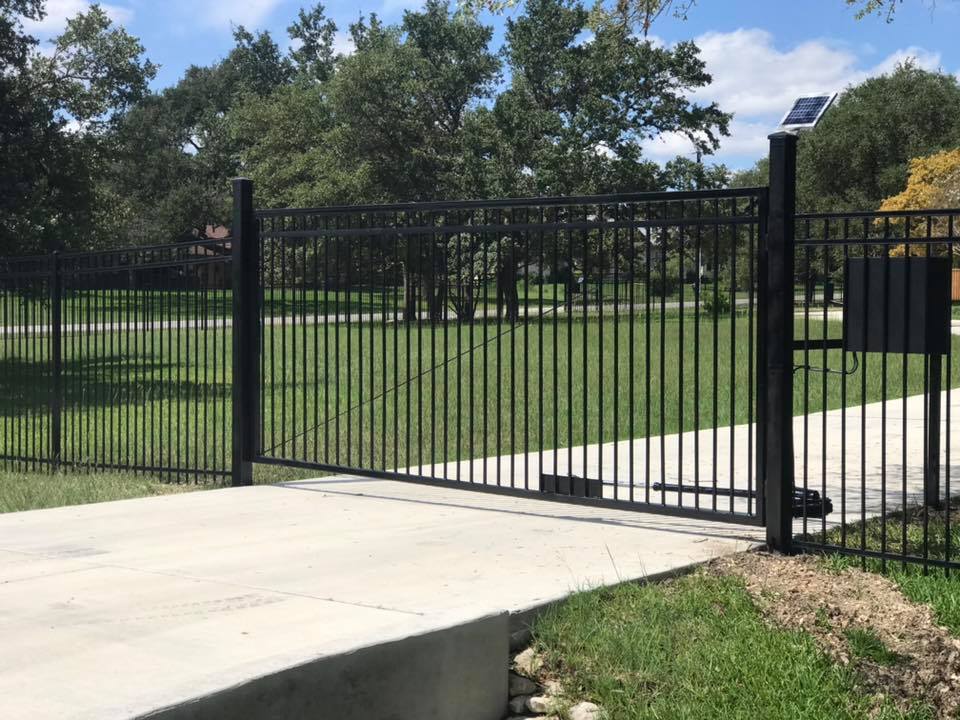
San Antonio is a city known for its rich cultural history and vibrant communities. In such a dynamic environment, ensuring privacy and security in residential and commercial properties is of utmost importance. One of the key elements in achieving this is through quality fencing solutions. A premier fence company in San Antonio offers a wide range of services, from installation to maintenance, ensuring that every property is secure and aesthetically pleasing. Finding a trusted service provider can make all the difference in terms of quality and longevity of the fencing solutions implemented.

Comprehensive Fence Installation Services

Fence installation is a crucial service that requires precision, expertise, and an understanding of the local environment. A reputable fence company in San Antonio offers comprehensive installation services that ensure durability and style. Some of the key aspects of a reliable installation service include:

  • Customized designs tailored to meet specific client needs and property layouts.
  • Use of high-quality materials to withstand the local weather conditions.
  • Professional installation teams with the expertise to handle complex projects.
  • Compliance with local regulations and building codes.

For those looking to explore the range of installation services available, find additional information here.

Maintenance and Repair Services

Regular maintenance and timely repairs are essential to extend the life of any fencing structure. A top fence company offers a variety of maintenance services to ensure that fences remain in optimal condition. Key maintenance and repair services include:

  • Routine inspections to identify potential issues early.
  • Cleaning and treatment to prevent damage from weather and pests.
  • Repairs of damaged sections to restore functionality and appearance.
  • Replacement of outdated or worn-out components.

Regular maintenance not only preserves the fence’s aesthetic appeal but also enhances its security features. To learn more about effective maintenance strategies, explore further insights here.

Wide Range of Fencing Options

Materials and Styles

Choosing the right type of fence involves considering both functional and aesthetic factors. San Antonio’s premier fence companies offer a diverse selection of materials and styles to cater to different preferences and needs. Options include:

  • Wood: Offers a classic, natural look and can be customized with different stains and finishes.
  • Vinyl: Known for its durability and low maintenance, ideal for modern designs.
  • Metal: Provides robust security with options like aluminum and wrought iron.
  • Composite: Combines wood and plastic for a sustainable and long-lasting solution.
  • Chain Link: A cost-effective option for both residential and commercial properties.

For a detailed guide on the various materials and styles available, read more about this topic.

Considerations for Choosing a Fence Company

When selecting a fence company, it’s important to consider several critical factors to ensure quality and satisfaction. Here are a few considerations:

  • Experience and reputation within the community.
  • Range of services offered, including installation, maintenance, and repair.
  • Quality of materials used and the flexibility of design options.
  • Customer service and support throughout the project.
  • Pricing and warranty options provided.

To make an informed decision, learn more in this detailed guide.

In conclusion, a trusted fence company in San Antonio provides not only the physical barrier and privacy needed but also enhances the aesthetic appeal and value of the property. By choosing a company that offers comprehensive services, high-quality materials, and professional expertise, property owners can ensure a secure and beautiful environment for years to come.