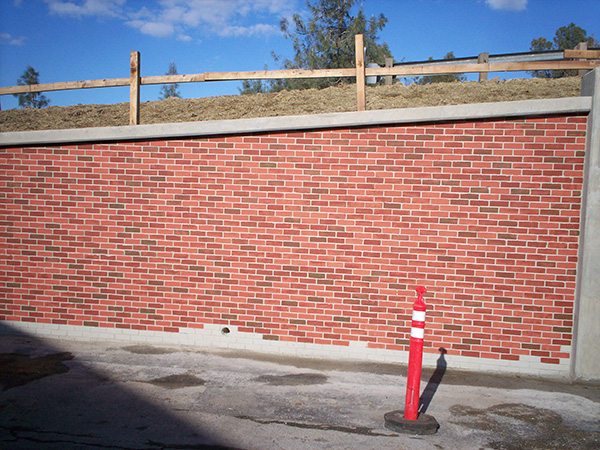
In the ever-evolving world of construction, creativity plays a pivotal role in shaping the built environment. One of the innovative tools that have revolutionized aesthetic design in construction is the use of formliner patterns. These patterns offer a unique blend of functionality and artistry, allowing architects and builders to transcend traditional boundaries and create visually stunning structures. Formliner patterns are not just about adding texture to concrete surfaces; they are about transforming spaces into works of art, blending seamlessly with the environment while standing out as architectural masterpieces.
The Essence of Formliner Patterns
Formliner patterns are molds used to impart various textures and designs onto concrete surfaces. They have gained immense popularity due to their ability to replicate intricate designs with high precision. The versatility of formliner patterns enables architects to explore a wide range of possibilities, from mimicking natural textures like wood and stone to creating abstract and geometric designs.
Advantages of Using Formliner Patterns
The adoption of formliner patterns in construction projects offers numerous advantages:
- Enhanced Aesthetic Appeal: Formliner patterns transform plain concrete surfaces into visually appealing elements, adding depth and character to structures.
- Cost-Effectiveness: They provide a cost-efficient way to achieve high-end finishes without the expense of using natural materials.
- Durability: Concrete surfaces with formliner patterns are robust and can withstand harsh environmental conditions, making them suitable for both indoor and outdoor applications.
- Customization: These patterns offer endless possibilities for customization, allowing for unique and personalized designs.
Applications of Formliner Patterns in Construction
The versatility of concrete form liner patterns makes them ideal for a variety of construction projects. They are widely used in:
- Public Infrastructure: Bridges, tunnels, sound walls, and retaining walls often feature formliner patterns to enhance visual appeal while maintaining structural integrity.
- Commercial Buildings: These patterns are used to create signature looks for facades and interior walls, adding a touch of elegance and modernity to commercial spaces.
- Residential Projects: From feature walls to garden landscaping, formliner patterns bring a unique aesthetic to residential properties.
- Recreational Facilities: Parks, sports complexes, and other leisure areas utilize these patterns to blend with natural surroundings and create inviting environments.
Innovative Trends in Formliner Patterns
As technology advances, so do the capabilities of formliner patterns. The latest trends in this field include:
- 3D Printing: This technology allows for the creation of complex and intricate patterns, pushing the boundaries of design possibilities.
- Sustainable Materials: The use of eco-friendly materials in formliner production aligns with the growing demand for sustainable construction practices.
- Interactive Designs: Incorporating interactive elements, such as light and sound, into formliner patterns is gaining popularity, especially in public spaces.
Conclusion
Formliner patterns have undeniably become an essential component in modern construction, offering a harmonious blend of functionality and creativity. By enabling architects and builders to explore a myriad of design options, these patterns contribute significantly to the aesthetic value and sustainability of structures. As the construction industry continues to innovate, the role of formliner patterns in creating inspiring and functional spaces is set to expand, paving the way for future architectural marvels.