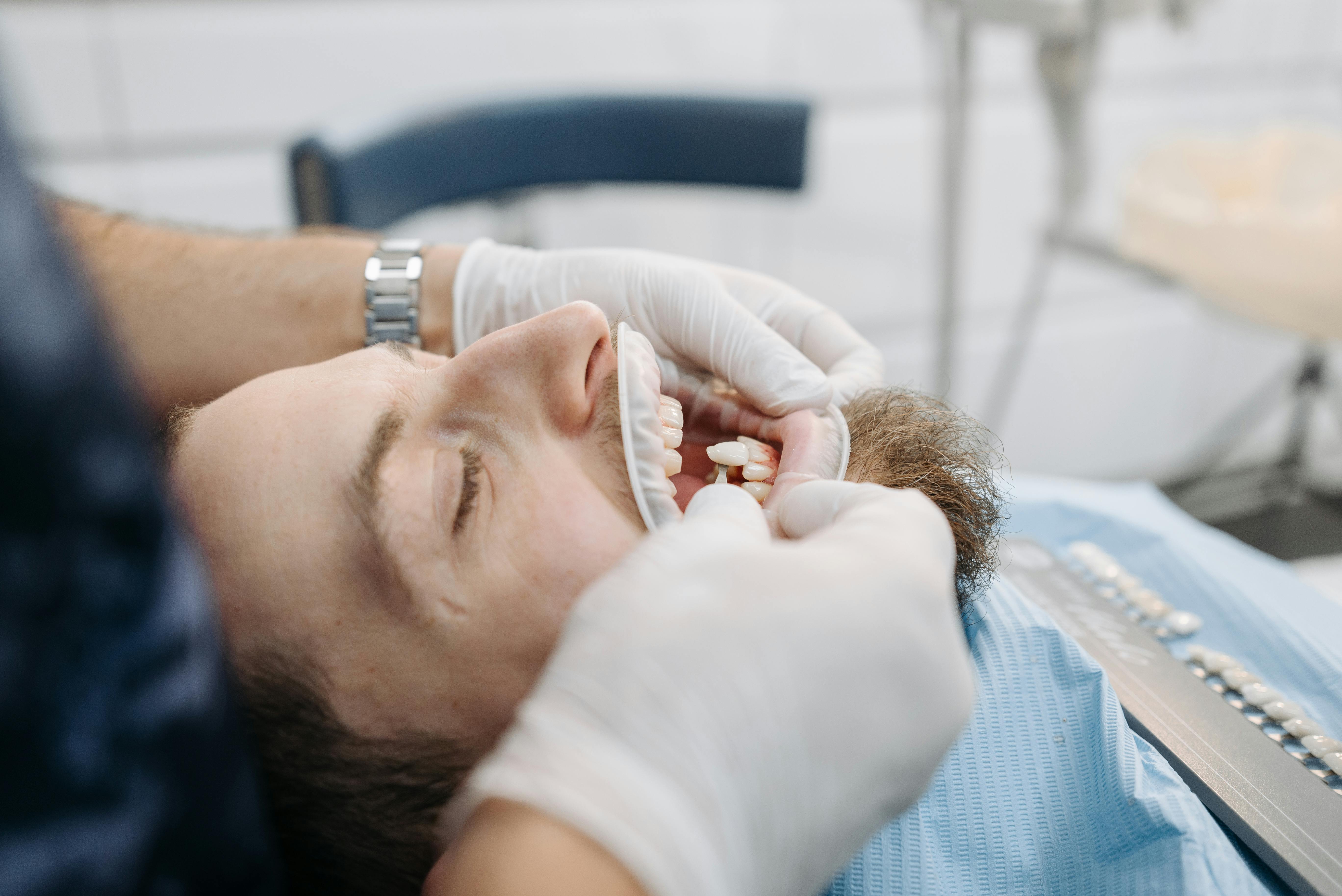
A broken tooth can be a distressing experience, often catching individuals off guard. Whether it’s a sudden impact, an unexpected bite on a hard object, or a dental issue that has been building up over time, the need for immediate attention is crucial. Understanding the steps to take and the options available for emergency broken tooth repair can make a significant difference in managing pain and preventing further damage. This guide provides insights into addressing such emergencies effectively and finding professional dental care services nearby.
Understanding the Causes and Initial Steps
A broken tooth can occur due to various reasons, and recognizing the cause can help in deciding the right course of action:
- Accidental Impact: Sudden falls or sports injuries can result in a fractured tooth.
- Chewing Hard Foods: Hard candies, nuts, or ice can sometimes lead to unexpected cracks.
- Decay and Weakness: Poor dental hygiene may weaken teeth over time, making them more susceptible to breakage.
Upon noticing a broken tooth, the following initial steps are recommended:
- Rinse the mouth gently with warm water to clean the area.
- Apply a cold compress on the cheek to reduce swelling.
- Preserve any broken pieces and bring them to the dentist.
Seeking Professional Dental Care
Finding Nearby Emergency Services
Locating a reliable dental service quickly is essential in an emergency situation. Many dental clinics provide emergency services, ensuring that patients receive timely care. It is advisable to have contact information for local dentists readily available. Find out more about this approach to locate emergency services in your area.
Available Treatment Options
Dental professionals offer a variety of treatments based on the severity and location of the tooth break:
- Dental Bonding: Effective for minor chips and cracks, using a composite resin to restore tooth appearance and function.
- Crowns: Caps placed over the tooth to protect and strengthen it, particularly effective for larger fractures.
- Root Canal: Necessary if the tooth’s pulp has been damaged, removing the affected tissue and sealing the tooth.
- Veneers: Thin coverings placed over the front of the tooth for aesthetic restoration.
Each solution is tailored to the specific needs of the patient. Explore advanced guides and tips to understand more about these procedures.
Preventive Measures and Long-Term Care
Prevention is key to avoiding future incidents of broken teeth. Consider the following preventive measures:
- Regular dental check-ups to identify potential issues early.
- Wearing mouthguards during sports activities.
- Maintaining excellent oral hygiene to ensure tooth strength.
- Being mindful of chewing habits and avoiding particularly hard foods.
For comprehensive understanding of preventive care, learn about tailored solutions that can help maintain oral health and prevent dental emergencies.
Conclusion
A broken tooth requires prompt attention to alleviate discomfort and prevent complications. By understanding the causes, seeking immediate professional help, and implementing preventive strategies, individuals can manage dental emergencies effectively. For those looking to ensure they are well-prepared, it is beneficial to discover expert strategies here and stay informed about the latest in restorative dental care.