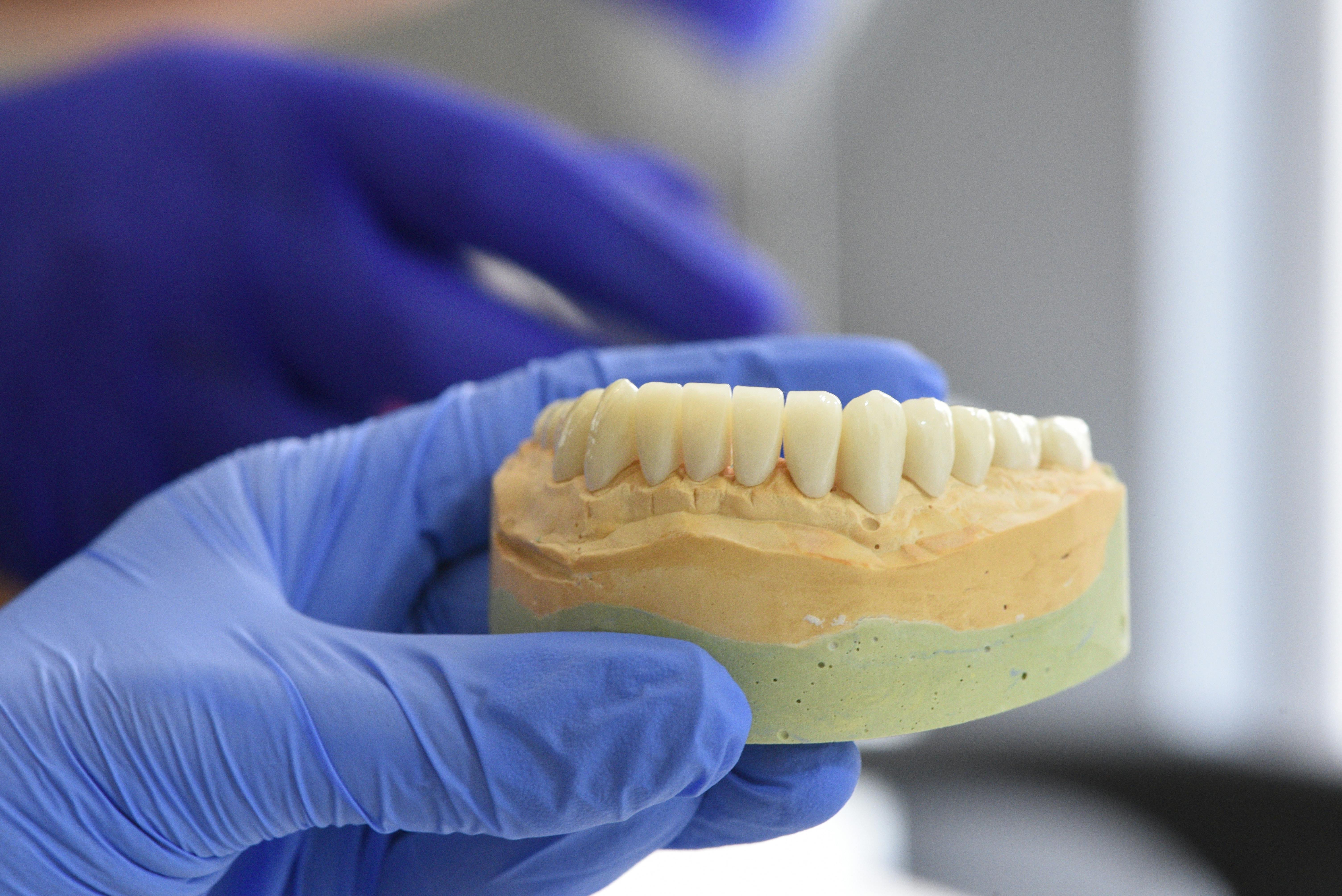
In the realm of modern dentistry, the restoration of a smile through dental implants represents a remarkable achievement. Dental implants have become a preferred solution for individuals seeking to replace missing teeth, offering both functional and aesthetic benefits. As dental technology advances, implants present a durable and reliable option for those looking to transform their smiles. This article delves into the nuances of smile restoration services, highlighting the role of dental implants in enhancing oral health and overall well-being.
Understanding Dental Implants
Dental implants are artificial tooth roots, typically made of titanium, which are surgically placed into the jawbone. They serve as a sturdy foundation for fixed or removable replacement teeth, designed to match natural teeth in appearance and function.
Key Benefits of Dental Implants
- Improved Appearance: Implants look and feel like natural teeth, seamlessly blending with existing teeth.
- Enhanced Comfort: Unlike removable dentures, implants become a part of the oral structure, eliminating discomfort.
- Durability: With proper care, dental implants can last a lifetime, offering a long-term solution for tooth replacement.
- Improved Oral Health: Implants do not require reducing other teeth, thus preserving overall oral health. Read more about this topic.
- Convenience: Eliminates the inconvenience of removable dentures, providing a permanent solution.
The Process of Getting Dental Implants
The procedure for dental implants involves several stages and requires a collaborative effort between the patient and dental professionals. The typical process includes:
Initial Consultation and Planning
During the initial consultation, a comprehensive dental examination is conducted to assess the feasibility of implants. This includes X-rays and 3D imaging to evaluate the condition of the jawbone and plan the appropriate placement of implants. Explore further insights here.
Surgical Procedure
The surgical phase involves embedding the implant into the jawbone. This is usually done under local anesthesia, ensuring minimal discomfort. Post-surgery, a healing period is necessary for osseointegration, where the implant fuses with the bone.
Abutment and Crown Placement
After successful osseointegration, an abutment is attached to the implant, serving as a connector for the crown. The final step is placing a custom-made crown, restoring the tooth’s function and appearance. Learn more in this detailed guide.
Considerations for Dental Implants
While dental implants offer numerous advantages, certain factors must be considered before proceeding:
- Bone Density: Adequate bone density is crucial for supporting implants. In cases of insufficient bone, grafting may be necessary.
- Overall Health: Good general and oral health are vital for successful implant placement. Conditions such as diabetes or smoking can affect the outcome.
- Cost: Dental implants can be more expensive than other tooth replacement options, though they offer a long-term solution. Find additional information here.
Conclusion
Dental implants have revolutionized the field of restorative dentistry, offering a reliable and aesthetically pleasing solution for missing teeth. By understanding the process and benefits, individuals can make informed decisions regarding their oral health. Whether motivated by functional needs or a desire for aesthetic improvement, dental implants provide a pathway to a confident and radiant smile.