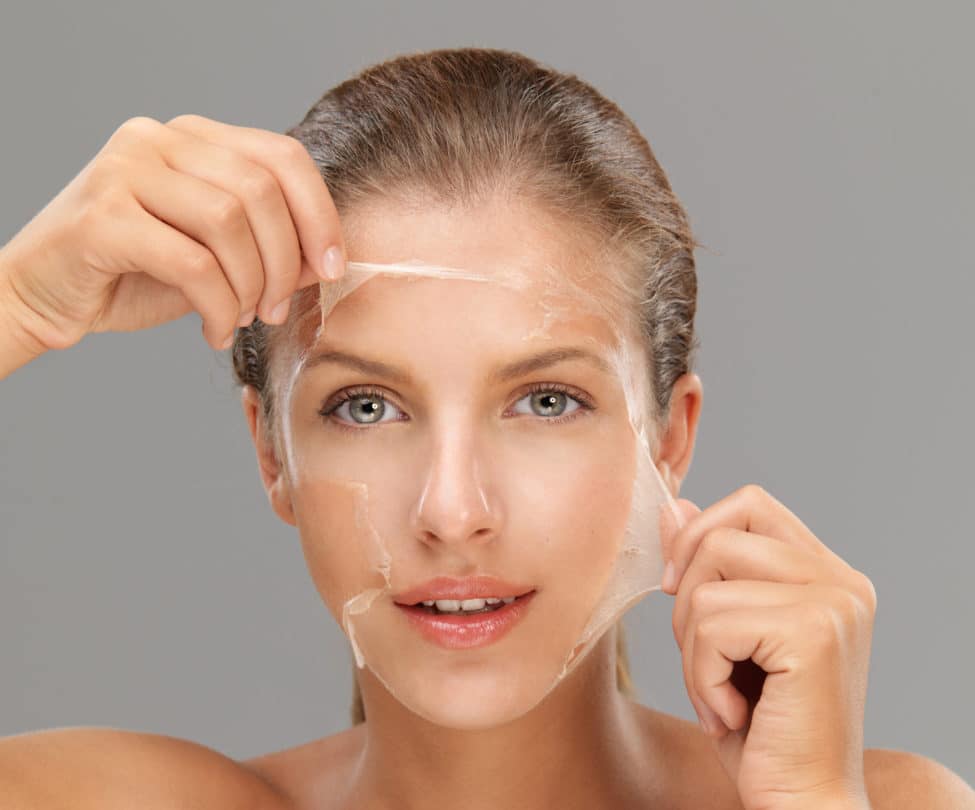
In the pursuit of youthful, radiant skin, many individuals explore various cosmetic treatments. Among them, chemical peels have gained popularity for their ability to significantly enhance skin texture and tone. A chemical peel involves the application of a chemical solution to the skin, which exfoliates and peels away damaged outer layers. This process not only rejuvenates the skin but also addresses a range of skin concerns, making it a versatile solution for those seeking improved skin health.
Understanding the Mechanism of Chemical Peels
Chemical peels work by removing the outer layers of the skin. The strength and depth of the peel determine how much skin is exfoliated, which can range from superficial to deep layers. This controlled exfoliation stimulates the body’s natural healing processes, promoting the growth of new, smoother skin. The peel solution typically contains acids such as glycolic acid, salicylic acid, or trichloroacetic acid, each selected based on the specific needs of the skin.
Benefits of Chemical Peels for Skin Texture and Tone
Exfoliation and Cell Turnover
- Enhances the natural shedding process of dead skin cells.
- Promotes the generation of new skin cells, resulting in a fresher complexion.
- Reduces the appearance of fine lines and wrinkles.
Improvement of Skin Tone
- Diminishes hyperpigmentation and sun damage.
- Reduces acne scars and blemishes.
- Balances uneven skin tones for a more uniform appearance.
Refined Skin Texture
- Smooths rough skin surfaces.
- Decreases pore size visibility.
- Softens skin for a more supple feel.
Types of Chemical Peels
Choosing the right type of chemical peel is crucial for achieving desired results. Peels are categorized by their depth:
Light Peels
- Target the outermost skin layer.
- Effective for mild skin issues such as minor textural imperfections.
- Requires minimal downtime.
Medium Peels
- Penetrate deeper skin layers.
- Address moderate skin concerns, including pigmentation and fine lines.
- May involve more recovery time.
Deep Peels
- Reach the deeper dermal layers.
- Used for severe skin conditions and significant sun damage.
- Involves longer recovery periods and more intensive post-care.
To better understand which type of peel suits your needs, explore advanced guides and tips on chemical peel selection.
Considerations and Aftercare
While chemical peels offer numerous benefits, it’s crucial to approach the procedure with careful consideration and professional guidance. Factors such as skin type, existing conditions, and desired outcomes must be evaluated by a qualified professional.
Post-procedure care is vital for optimal results and includes:
- Applying sunscreen regularly to protect sensitive skin.
- Avoiding excessive sun exposure and harsh products.
- Hydrating the skin to aid the healing process.
Find out more about this approach and effective aftercare practices by consulting professional resources and discover expert strategies here.
Conclusion
Chemical peel treatments offer a promising avenue for individuals seeking to enhance their skin texture and tone. By understanding the types of peels available and adhering to proper aftercare, one can achieve healthier, more radiant skin. Consulting with a skincare professional will ensure a tailored approach to meet specific skin concerns and goals. Learn about our tailored solutions to guide you in achieving your skin health ambitions.