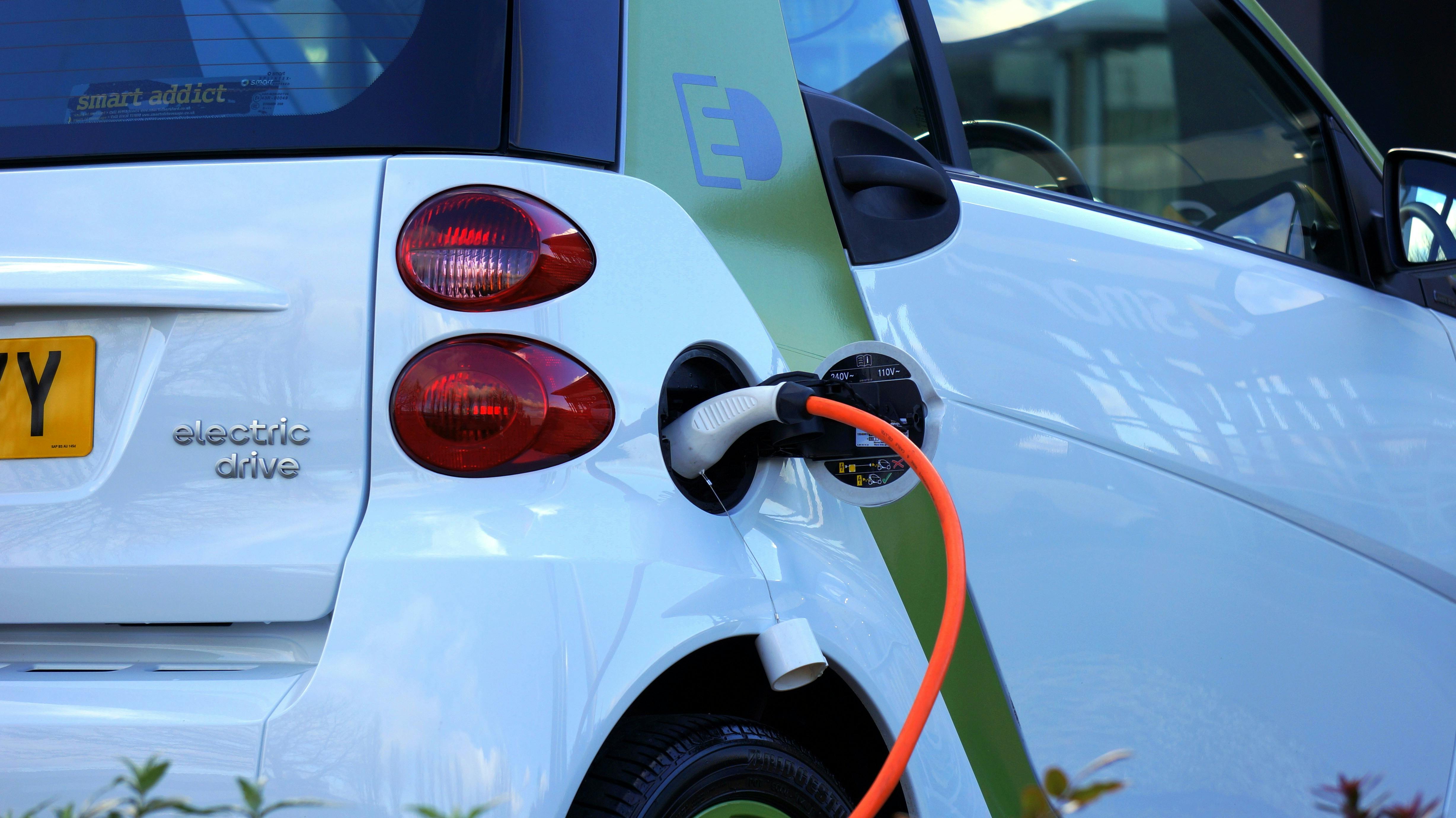
The shift towards zero emission solutions is crucial in addressing the global climate crisis. As electric vehicles (EVs) become increasingly popular, an effective installation process for EV charging infrastructure is essential. Efficient EV installations ensure that charging stations are accessible, reliable, and capable of meeting the growing demand for sustainable transportation. This article explores the key considerations and steps involved in the efficient installation of EV chargers, providing vital insights for stakeholders in the industry.
Understanding the Basics of EV Installation
Before initiating an EV installation project, it is imperative to understand the fundamental components and requirements involved. This knowledge ensures a seamless and efficient process, minimizing potential setbacks. Key aspects to consider include:
- Site Assessment: Conducting a thorough site assessment to determine suitable locations for charging stations.
- Power Supply: Ensuring adequate power supply to support the installation and operation of EV chargers.
- Regulatory Compliance: Adhering to local, state, and national regulations governing the installation of EV infrastructure.
- Charger Type: Selecting the appropriate type of charger based on intended usage and capacity requirements.
For a more detailed understanding of these basics, read more about this topic.
Steps Involved in an Efficient Installation Process
An efficient EV installation process involves several critical steps, each contributing to the overall success of the project. Below is a structured approach to ensure a streamlined installation:
1. Planning and Design
The planning and design phase is crucial for outlining the scope of the installation. This phase includes:
- Feasibility Study: Assessing the technical and economic viability of the project.
- Site Design: Creating detailed site plans that include layout, electrical connections, and infrastructure requirements.
- Budgeting: Developing a comprehensive budget plan that covers all aspects of the installation process.
Find additional information here on planning and design considerations.
2. Installation and Commissioning
Once planning is complete, the installation and commissioning phase can begin, encompassing the following tasks:
- Infrastructure Development: Building necessary infrastructure, including electrical wiring and support structures.
- Charger Installation: Mounting and connecting the chargers to the power supply.
- Testing and Commissioning: Conducting rigorous testing to ensure operational effectiveness and safety compliance.
For further insights on the installation process, explore further insights here.
3. Maintenance and Support
After successful installation, ongoing maintenance and support are essential to ensure the longevity and reliability of the charging infrastructure:
- Regular Maintenance: Performing routine checks and maintenance to prevent operational issues.
- Technical Support: Providing accessible technical support to address any arising issues promptly.
- Upgrades: Implementing upgrades as technology evolves to enhance efficiency and capacity.
Learn more in this detailed guide about maintenance and support strategies.
Conclusion
The efficient installation of EV charging infrastructure is a pivotal component in advancing zero emission solutions. By adhering to a structured process that includes comprehensive planning, meticulous installation, and continuous maintenance, stakeholders can ensure the successful deployment of EV chargers. As the demand for electric vehicles continues to rise, an efficient installation process will play a crucial role in supporting sustainable transportation and reducing carbon emissions globally. Explore further insights here to deepen your understanding of the efficient EV installation process.