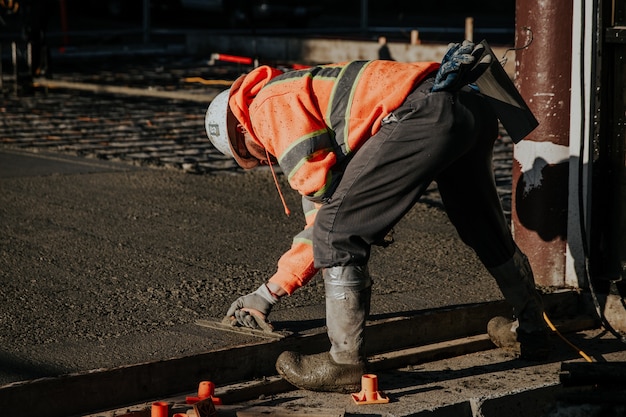
Asphalt is a versatile and durable material commonly used for roads, driveways, and parking lots. However, over time, even the most well-laid asphalt can develop cracks and potholes due to weather conditions, traffic loads, and natural wear and tear. Effective asphalt patching and repair are crucial to prolong the life of the pavement and ensure safety. Understanding the best practices for asphalt maintenance can help address these issues promptly and efficiently.
Understanding the Causes of Asphalt Damage
To effectively repair asphalt, it is essential to first understand what causes the damage. Common factors include:
- Weather conditions such as freezing and thawing cycles that cause the asphalt to expand and contract.
- Heavy traffic loads that exert pressure on the surface, leading to cracks and potholes.
- Poor drainage systems that allow water to seep into the pavement, weakening its structure.
Recognizing these factors can help in identifying the most suitable repair techniques. Explore advanced guides and tips for understanding and addressing these issues effectively.
Effective Asphalt Patching Techniques
Cold Mix Asphalt
Cold mix asphalt is a popular choice for temporary repairs, especially in colder climates where hot mix asphalt is not feasible. It is easy to use and can be applied directly to the damaged area without the need for specialized equipment. Learn about our tailored solutions for using cold mix asphalt effectively.
Hot Mix Asphalt
Hot mix asphalt is the most durable option for permanent repairs. It requires heating the asphalt mixture before application, making it ideal for larger projects. This technique ensures a long-lasting repair by creating a seamless bond with the existing pavement.
Preparation is Key
Before undertaking any asphalt repair, proper preparation is crucial. This includes:
- Cleaning the damaged area to remove debris, dirt, and loose particles.
- Ensuring the surface is dry to promote better adhesion of the patching material.
- Cutting the edges of the damaged area to create a defined boundary for the repair.
Such preparatory steps are vital for the success of the repair process. Discover expert strategies here to enhance the preparation phase.
Sealcoating for Long-Term Protection
Sealcoating is a preventive measure that helps protect the surface from environmental damage and extends the life of the asphalt. It involves applying a protective layer that shields against UV rays, water penetration, and chemical spills. Regular sealcoating can significantly reduce the need for frequent repairs.
For those looking to maintain their asphalt surfaces in optimal condition, sealcoating is a highly recommended practice. Find out more about this approach and its benefits for prolonging pavement life.
Conclusion
Effective asphalt patching and repair require a good understanding of the causes of damage, the right techniques, and proper preparation. By implementing regular maintenance practices such as sealcoating, the longevity and safety of asphalt surfaces can be significantly enhanced. For further insights and customized solutions, explore advanced guides and tips tailored to specific needs.