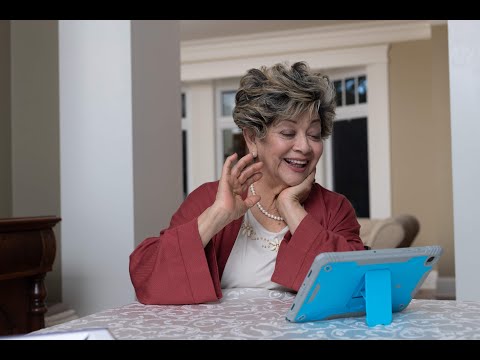
The healthcare landscape is evolving rapidly, with technological advancements playing a pivotal role in transforming patient care. Among these innovations, remote patient monitoring devices have emerged as a significant breakthrough. They enable healthcare professionals to remotely monitor patients’ health data, offering a seamless experience that enhances patient engagement and improves health outcomes. With chronic diseases on the rise and an aging population, the adoption of these devices is becoming increasingly essential.
The Functionality of Remote Patient Monitoring Devices
Remote patient monitoring (RPM) devices are designed to collect health data from patients in real-time. This data is then transmitted to healthcare providers, allowing for continuous monitoring and timely interventions. These devices can track a variety of health metrics, including:
- Vital signs such as heart rate, blood pressure, and temperature
- Blood glucose levels for diabetic patients
- Oxygen saturation levels
- Weight and body mass index (BMI)
- Electrocardiograms (ECGs) for cardiac monitoring
By providing healthcare providers with real-time data, RPM devices enable proactive management of patient health, reducing the need for frequent hospital visits and minimizing the risk of complications.
Benefits of Remote Patient Monitoring Devices
Improved Patient Engagement and Compliance
Remote patient monitoring devices encourage patients to take an active role in managing their health. By having direct access to their health data, patients are more likely to adhere to treatment plans and make informed lifestyle choices. This increased engagement can lead to better health outcomes and higher patient satisfaction.
Enhanced Healthcare Efficiency
Remote monitoring reduces the burden on healthcare facilities by minimizing unnecessary hospital visits and readmissions. This efficiency frees up resources, allowing healthcare professionals to focus on patients who require immediate attention. Furthermore, the integration of remote patient monitoring devices into healthcare systems can streamline workflows and improve overall operational efficiency.
Cost-Effectiveness
RPM devices can significantly reduce healthcare costs by preventing hospital readmissions and reducing the need for in-person consultations. For patients, this translates into savings on travel expenses and missed workdays. For healthcare systems, it means better resource allocation and reduced pressure on medical staff.
Challenges and Considerations
Data Security and Privacy
One of the primary concerns with remote patient monitoring is ensuring the security and privacy of patient data. Healthcare providers must implement robust data protection measures to prevent unauthorized access and breaches. Compliance with regulations such as the Health Insurance Portability and Accountability Act (HIPAA) is vital to maintaining patient trust.
Integration with Existing Systems
For RPM devices to be effective, they must seamlessly integrate with existing healthcare systems. This integration can be complex and require significant investment in technology and training. However, when done correctly, it can enhance the overall quality of care and provide a unified view of patient health data.
Future Prospects of Remote Patient Monitoring
The future of healthcare is increasingly digital, and remote patient monitoring devices are at the forefront of this transformation. As technology continues to advance, these devices will become more sophisticated, offering even greater insights into patient health. Innovations such as artificial intelligence and machine learning are expected to play a significant role in analyzing the vast amounts of data generated by RPM devices, leading to more personalized and precise treatment plans.
In conclusion, the adoption of remote patient monitoring devices represents a significant step forward in modern healthcare. By improving patient engagement, enhancing healthcare efficiency, and offering cost-effective solutions, these devices are poised to transform the way healthcare is delivered. As the technology continues to evolve, the potential for remote patient monitoring to improve patient outcomes and streamline healthcare delivery becomes increasingly promising.