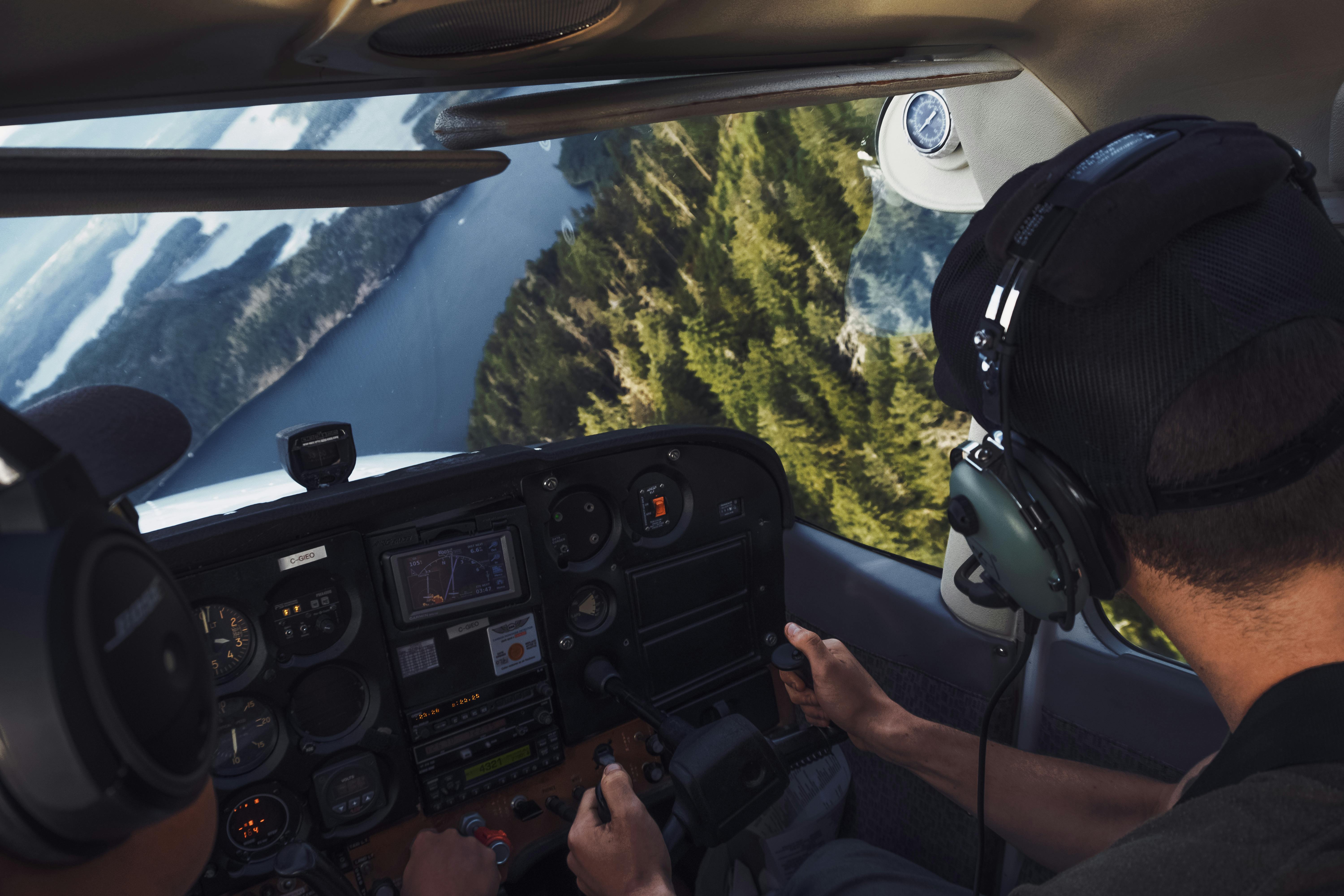
For many, the notion of flying evokes excitement and anticipation of new adventures. However, for others, it can be a source of dread and anxiety. The fear of flying, also known as aviophobia, affects a significant number of individuals, preventing them from enjoying the convenience and speed of air travel. Fortunately, specialized fear of flying courses are available, designed to equip individuals with the skills and confidence needed to overcome this common phobia.
Understanding the Fear of Flying
Fear of flying can manifest in various ways, from mild discomfort to full-blown panic attacks. Understanding the root causes of this fear is the first step towards overcoming it. Common triggers include:
- Fear of heights or enclosed spaces
- Concerns about the safety and mechanics of flying
- Previous traumatic experiences related to air travel
- General anxiety or phobias
Recognizing these triggers through a fear of flying help course can be instrumental in addressing and mitigating them.
The Benefits of Fear of Flying Courses
These courses are tailored to provide a comprehensive understanding of the aviation industry, alongside practical techniques to manage anxiety. Key benefits include:
- Expert Guidance: Led by experienced professionals, courses offer insights into the workings of an aircraft, including safety protocols and turbulence.
- Cognitive Behavioral Techniques: Participants learn strategies to manage anxiety, such as controlled breathing and visualization.
- Supportive Environment: Engaging with others who share similar fears can provide comfort and encouragement.
- Gradual Exposure: Some courses offer simulated flights to help acclimate participants to the flying experience in a controlled setting.
These benefits collectively empower individuals to face their fears and develop the confidence needed for air travel.
Choosing the Right Course
Selecting the most suitable fear of flying course UK involves considering several factors:
- Course Content: Ensure the course covers both theoretical knowledge and practical anxiety management techniques.
- Instructor Expertise: Look for programs led by qualified professionals with a background in psychology or aviation.
- Course Format: Decide between online, in-person, or hybrid formats based on personal preference and convenience.
- Reviews and Testimonials: Research feedback from past participants to gauge the course?s effectiveness.
With these considerations in mind, individuals can select a course that aligns with their specific needs and preferences.
Testimonials and Success Stories
Many participants have transformed their flying experiences through courses for fear of flying. Success stories often highlight:
- Increased confidence and reduced anxiety levels
- Successful completion of flights that were previously deemed impossible
- Enhanced enjoyment of travel experiences
These testimonials serve as a testament to the efficacy of well-structured nervous flyer courses in transforming lives.
Conclusion
For those grappling with a fear of flying, the path to conquering this fear begins with the right support and resources. Through carefully designed fear of flying courses, individuals can gain the understanding and tools necessary to embrace the skies with confidence, opening up a world of possibilities and adventures.