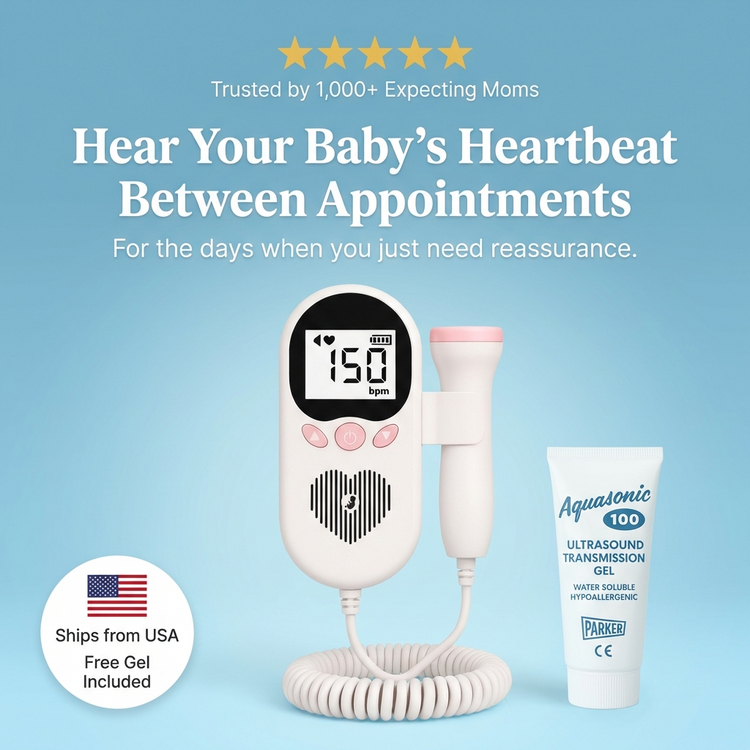
Fetal Doppler technology has become an invaluable tool for expectant mothers worldwide. This technology offers a non-invasive way to monitor a baby’s heartbeat, providing reassurance and an additional layer of connection between the mother and her unborn child. As prenatal care evolves with advancements in technology, Fetal Doppler devices have become more accessible and user-friendly, allowing parents to participate actively in monitoring their baby’s health from the comfort of their home.
Understanding Fetal Doppler Technology
Fetal Doppler technology employs ultrasound waves to detect the fetal heartbeat. This process is similar to the ultrasound machines used during prenatal checkups but is designed for home use. The device amplifies the sounds of the fetal heartbeat, allowing parents to listen to their baby”?s heart.
How It Works
– The device emits sound waves that bounce off the fetal heart.
– These waves are picked up by the Doppler device.
– The device then translates these reflections into audible sounds, typically heard via headphones or a built-in speaker.
Benefits of Using Fetal Dopplers
For many parents, the primary benefit of using a Fetal Doppler for Pregnancy Monitoring is the peace of mind it provides. Here are some key advantages:
- **Early Detection**: Allows parents to monitor the heartbeat as early as 8-12 weeks into the pregnancy.
- **Reassurance**: Hearing the baby’s heartbeat can provide comfort and reassurance, especially for high-risk pregnancies.
- **Bonding**: Listening to the heartbeat can strengthen the emotional bond between parents and the baby.
- **Convenience**: Offers the convenience of monitoring at home, reducing the need for frequent visits to the healthcare provider solely for heartbeat checks.
Considerations When Using Fetal Dopplers
While the benefits are numerous, there are some considerations to keep in mind:
- **Limitations**: Fetal Dopplers are not a replacement for regular prenatal visits. They should be used as a supplementary tool.
- **Proper Use**: Correct usage is crucial for accurate readings. This includes using the device at the recommended gestation period and following the instructions provided.
- **Medical Advice**: Always consult a healthcare professional if there are concerns about the baby’s health. The device should not be used for diagnostic purposes.
Choosing the Right Fetal Doppler
Selecting the right fetal Doppler can enhance the monitoring experience. Consider the following:
- **Features**: Look for devices with adjustable volume, display screens for heart rate readings, and ease of use.
- **Certifications**: Ensure the device is certified for home use and complies with health and safety standards.
- **Reviews**: Read reviews and testimonials from other parents to gauge the effectiveness and reliability of the device.
Conclusion
Fetal Doppler technology is a remarkable advancement in prenatal care, offering expectant mothers an accessible way to ensure their baby’s well-being. While it is a helpful tool for monitoring, it should complement, not replace, regular medical consultations. As technology continues to advance, Fetal Dopplers will likely become even more integral to the prenatal experience, providing peace of mind and a deeper connection between parents and their unborn child. For those seeking an effective means of monitoring their baby”?s health, exploring options like a Fetal Doppler for Pregnancy Monitoring could be a beneficial addition to their prenatal toolkit.