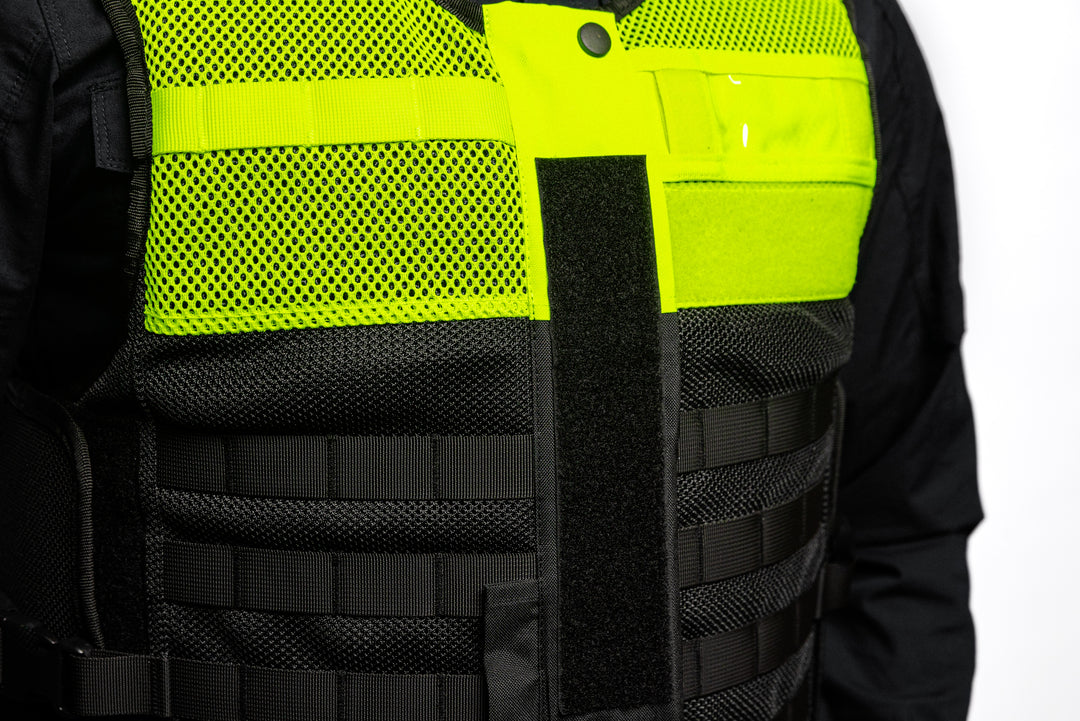
Selecting the right stab vest is crucial for ensuring personal safety in various environments. With an array of options available, understanding the key factors involved in choosing a suitable vest is essential. This guide will help you navigate through the essential aspects of selecting a stab vest that meets your specific needs, offering protection without compromising on comfort or functionality. By focusing on material, level of protection, and fit, among other factors, you can make an informed decision that enhances your security.
Understanding Your Needs
Before selecting a stab vest, it’s important to assess your specific requirements. Consider the following:
- Environment: Are you working in a high-risk area where the likelihood of an attack is higher?
- Threat Level: What types of threats are you most likely to encounter? Knife attacks, spikes, or other sharp objects?
- Duration of Use: How long will you be wearing the vest? Will you need it for short periods or extended wear?
By evaluating these factors, you can better understand the level of protection needed. Discover expert strategies here to align your needs with the right protective gear.
Material Considerations
The materials used in stab vests significantly influence their effectiveness and comfort. Common materials include:
- Kevlar: Known for its excellent strength-to-weight ratio, Kevlar offers robust protection against stab threats while being lightweight.
- Dyneema: This material is lighter than Kevlar and provides high resistance to cutting and stabbing threats.
- Steel or Titanium Plates: These are often used in conjunction with other materials to provide additional protection in high-risk scenarios.
Selecting the appropriate material depends on the balance between protection and wearability. Explore advanced guides and tips to understand how material choice impacts vest performance.
Level of Protection
Stab vests are available in various protection levels, which are determined by testing standards such as NIJ (National Institute of Justice) ratings. Here are some key considerations:
- Level 1: Suitable for low-risk environments, offering basic protection against light threats.
- Level 2: Provides moderate protection, ideal for environments with a medium threat level.
- Level 3: Designed for high-risk situations, offering comprehensive protection against severe threats.
Understanding these levels is critical for choosing a vest that matches your threat environment. Find out more about this approach to ensure you select the correct protection level.
Fit and Comfort
A properly fitting stab vest is vital for both protection and comfort. Consider the following tips for ensuring a good fit:
- Ensure the vest covers vital organs without restricting movement.
- Adjustability features such as straps and Velcro help achieve a snug fit.
- Try the vest with your typical clothing and gear to assess comfort during extended wear.
Comfort and fit can significantly impact the effectiveness of a stab vest. Learn about our tailored solutions to find a vest that meets your specific requirements.
Conclusion
Choosing the right stab vest involves careful consideration of your environment, the level of protection required, and factors such as material and fit. By understanding these elements, you can select a vest that not only provides the necessary protection but also ensures comfort and functionality. For further guidance, explore advanced guides and tips to make an informed decision that enhances your personal safety.