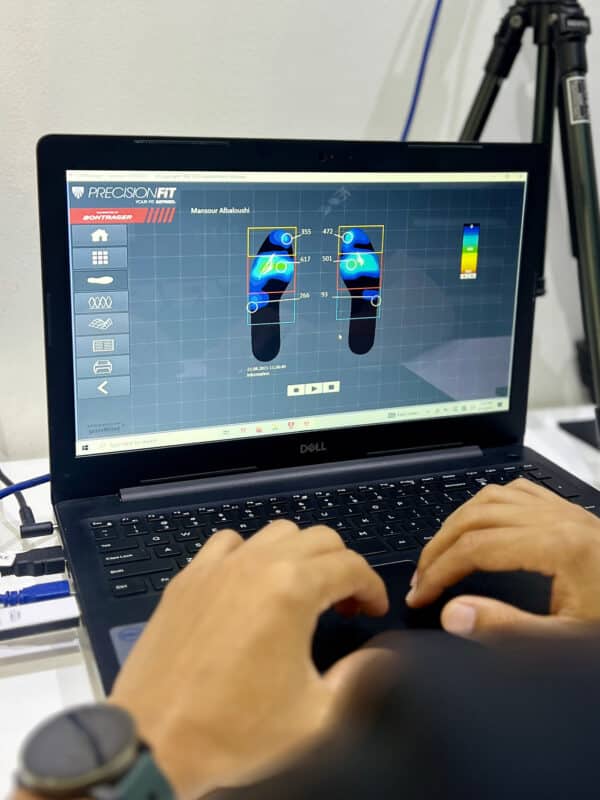
Ensuring a perfect bicycle fit is crucial for comfort, performance, and injury prevention. Whether you’re a professional cyclist or a weekend warrior, a bicycle that is properly fitted to your body can make a substantial difference in your riding experience. Fitting a bicycle involves more than just adjusting the seat height; it encompasses a comprehensive approach to align your bike with your individual body geometry and riding style. Understanding the key considerations for bicycle fitting can enhance your cycling efficiency and enjoyment.
Saddle Height and Position
The saddle height is one of the most critical elements in bicycle fitting. An incorrectly adjusted saddle can lead to discomfort and even injury. To determine the correct saddle height:
- Your leg should be almost fully extended at the bottom of the pedal stroke.
- When seated, your hips should remain level without rocking side to side.
- Ensure the saddle is level and not tilted excessively forward or backward.
Adjusting the saddle fore and aft position is equally important. The general guideline is to ensure that when the pedals are horizontal, the forward knee cap aligns with the pedal spindle. Find out more about this approach.
Handlebar Positioning
Handlebar positioning affects control, comfort, and aerodynamics. The right handlebar height and reach can prevent neck, back, and shoulder strain. Consider these adjustments:
- The handlebar should be at a height that offers comfort without excessive strain on the back or shoulders.
- Reach should allow a slight bend in the elbows for shock absorption and control.
- Handlebar width should match shoulder width to maintain optimal control and comfort.
For more advanced adjustments, professional fitting services can offer comprehensive evaluations. Discover expert strategies here.
Foot Positioning and Cleat Adjustment
Proper foot positioning on the pedals is crucial for effective power transfer and injury prevention. When using clipless pedals, cleat alignment is key:
- Position the cleat so that the ball of the foot is directly over the pedal axle.
- Ensure the foot is not excessively angled inward or outward.
- Consider the float of the cleat, which allows for natural foot movement during pedaling.
For cyclists seeking precision in their fit, consulting a professional can provide tailored solutions. Learn about our tailored solutions.
Frame Size and Geometry
Selecting the correct frame size is foundational to a proper bicycle fit. Frame geometry affects handling, comfort, and efficiency. Key considerations include:
- Stand-over height should allow for adequate clearance when straddling the bike.
- Top tube length affects reach and should correspond with the rider’s torso and arm length.
- Consider the bike’s intended use?whether for racing, touring, or commuting?as this will influence geometry and fit.
Professional fitting can provide recommendations that align with personal measurements and riding goals. Explore advanced guides and tips.
Conclusion
Achieving the ideal bicycle fit involves a blend of personal adjustments and professional insights. A tailored fit can elevate the cycling experience by enhancing comfort, efficiency, and performance. Whether adjusting the saddle, handlebars, or foot positioning, each component plays a significant role in the overall fit. For those seeking precision and optimization, professional fitting services provide a comprehensive approach to bike fitting. Explore advanced guides and tips.