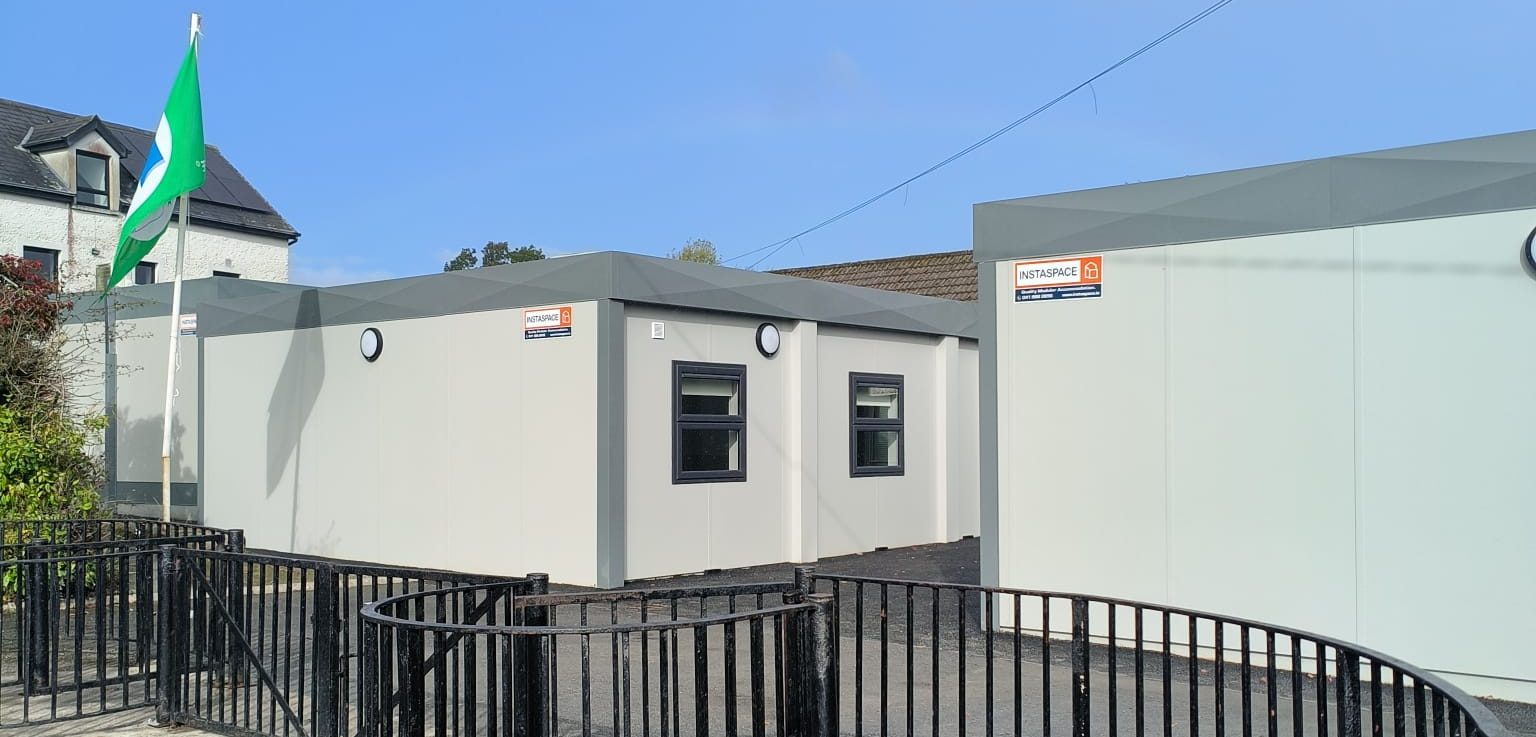
In the evolving landscape of construction, offsite construction has emerged as a revolutionary approach, transforming how projects are executed. By relocating significant parts of the construction process to a controlled factory environment, this method enhances efficiency, reduces timelines, and addresses common on-site challenges. The increasing adoption of offsite construction signifies a pivotal shift towards more streamlined and sustainable building practices, positioning it as a key player in the future of construction.
Understanding Offsite Construction
Offsite construction involves the planning, design, fabrication, and assembly of building elements at a location other than their final installed position. This technique offers several advantages over traditional construction methods, including:
- Reduced construction time due to simultaneous site development and offsite fabrication.
- Enhanced quality control through factory settings.
- Minimized waste and environmental impact.
- Improved safety, as many processes are completed away from the hazards of a construction site.
For those interested in integrating offsite construction into their projects, discover expert strategies here for a comprehensive approach.
The Process of Offsite Construction
The offsite construction process is methodical and detailed, divided into several stages:
Design and Planning
Initial designs are created with precision, accounting for every detail needed to fabricate components offsite. This phase requires collaboration between architects, engineers, and manufacturers to ensure that all elements fit together seamlessly upon assembly. Learn about our tailored solutions to enhance the planning phase of your construction projects.
Fabrication
Once designs are finalized, the fabrication stage begins in a controlled environment. This setting allows for consistent quality and precision, with advanced technology and skilled workers ensuring each component meets exact specifications. The controlled environment also means fewer delays due to weather or other unpredictable factors.
Transportation and Assembly
Fabricated components are transported to the construction site, where they are assembled. This stage is typically faster than traditional methods, as components are pre-fitted and simply require installation. The streamlined nature of the assembly process significantly reduces project timelines.
Benefits of Offsite Construction
Offsite construction offers numerous benefits, making it an attractive option for modern projects:
- Speed: The ability to complete site development and fabrication simultaneously can cut project times by up to 50%.
- Cost Efficiency: With reduced labor costs and minimized waste, offsite construction can lead to significant financial savings.
- Quality Assurance: The controlled environment ensures consistent quality and adherence to standards, reducing the likelihood of rework.
- Environmental Impact: By producing less waste and utilizing more sustainable materials, offsite construction is a greener choice.
For those looking to leverage these benefits, find out more about this approach to maximize efficiency and sustainability in construction projects.
Challenges and Considerations
While offsite construction presents numerous advantages, it is not without challenges:
- Initial Costs: The initial investment can be higher due to the need for specialized equipment and facilities.
- Transportation Logistics: Large components require careful planning and logistical coordination for transport to the site.
- Design Limitations: Standardized components may limit some design flexibility, requiring careful planning and innovation.
Despite these challenges, the strategic application of offsite construction can yield substantial benefits. Explore advanced guides and tips to navigate these challenges effectively and implement successful offsite construction strategies.
Conclusion
Offsite construction is poised to revolutionize the construction industry, offering a streamlined, efficient, and sustainable approach to building. As more companies recognize the benefits of this method, its adoption is expected to rise, paving the way for innovations and improvements in construction practices. By leveraging the expertise and resources available, stakeholders can optimize their projects and achieve superior results. Explore advanced guides and tips to stay ahead in this transformative industry.