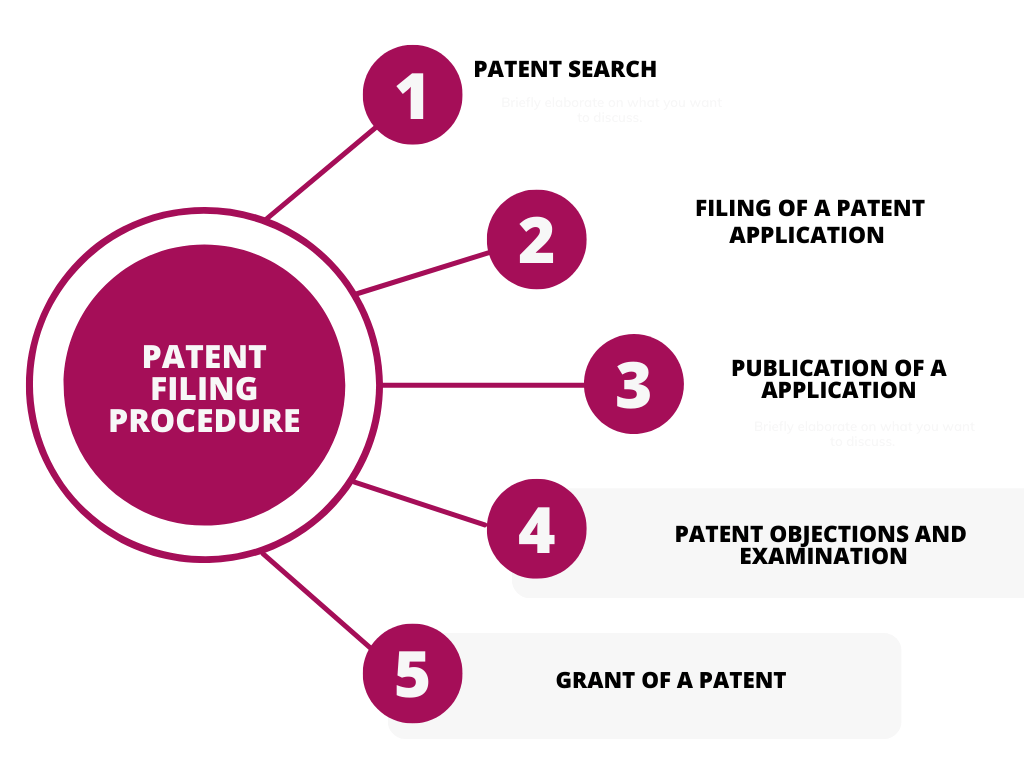
Filing a patent application is a crucial step for inventors and businesses seeking to protect their intellectual property. Understanding the basics of patent filing is essential to ensure that the process is smooth and successful. This involves a series of steps that must be meticulously followed to secure a patent. Whether you are an individual inventor or a company, proper knowledge of patent application procedures can help safeguard your innovations and potentially enhance their commercial value.
Understanding Patent Types
Before filing a patent application, it is important to know the different types of patents available. Each type serves a specific purpose and offers distinct protections.
- Utility Patents: These cover new and useful inventions or discoveries, including machines, processes, and compositions of matter.
- Design Patents: These are granted for new, original, and ornamental designs for an article of manufacture.
- Plant Patents: These are available for new and distinct varieties of plants that have been asexually reproduced.
Preparing for a Patent Application
Preparation is key when it comes to filing a patent application. A well-prepared application can help streamline the review process and increase the likelihood of approval.
Conducting a Patent Search
Conducting a comprehensive patent search is a critical step. It helps determine whether similar inventions have already been patented, potentially saving time and resources. Discover expert strategies here for conducting an effective patent search.
Documentation and Description
A detailed description of the invention is required, including how it operates, its components, and its unique features. Proper documentation is vital to demonstrate the invention’s novelty and usefulness.
The Patent Application Process
Filing a patent application involves several steps, each of which must be carefully completed to ensure success.
Drafting the Application
The application must be meticulously drafted to include all necessary details. This includes the title, background information, a summary of the invention, and detailed descriptions. Engaging professional assistance can be beneficial. Learn about our tailored solutions to ensure a comprehensive application.
Filing the Application
Once the application is drafted, it must be filed with the relevant patent office. This step often involves paying the necessary fees and submitting required documentation.
Patent Examination
After filing, the patent application undergoes examination by the patent office. The examiner assesses the application to ensure compliance with legal standards and checks for any existing patents that may conflict. Explore advanced guides and tips on navigating the examination process.
Post-Filing Considerations
After the application is filed and while it is under examination, several additional considerations may arise.
Responding to Office Actions
If the patent office issues an office action, a timely and accurate response is crucial. Office actions may require amendments or additional information to address examiner concerns.
Maintaining a Patent
Once a patent is granted, maintaining it involves paying maintenance fees at regular intervals. Failure to do so can result in the patent lapsing. Find out more about this approach to maintaining your patent effectively.
Filing a patent application is a detailed and often complex process, but it is a necessary step to protect innovative ideas. Understanding the various aspects of patent types, preparing the application, and navigating the filing process are essential for success. Those looking to secure their intellectual property should consider leveraging professional resources to enhance the likelihood of a favorable outcome.