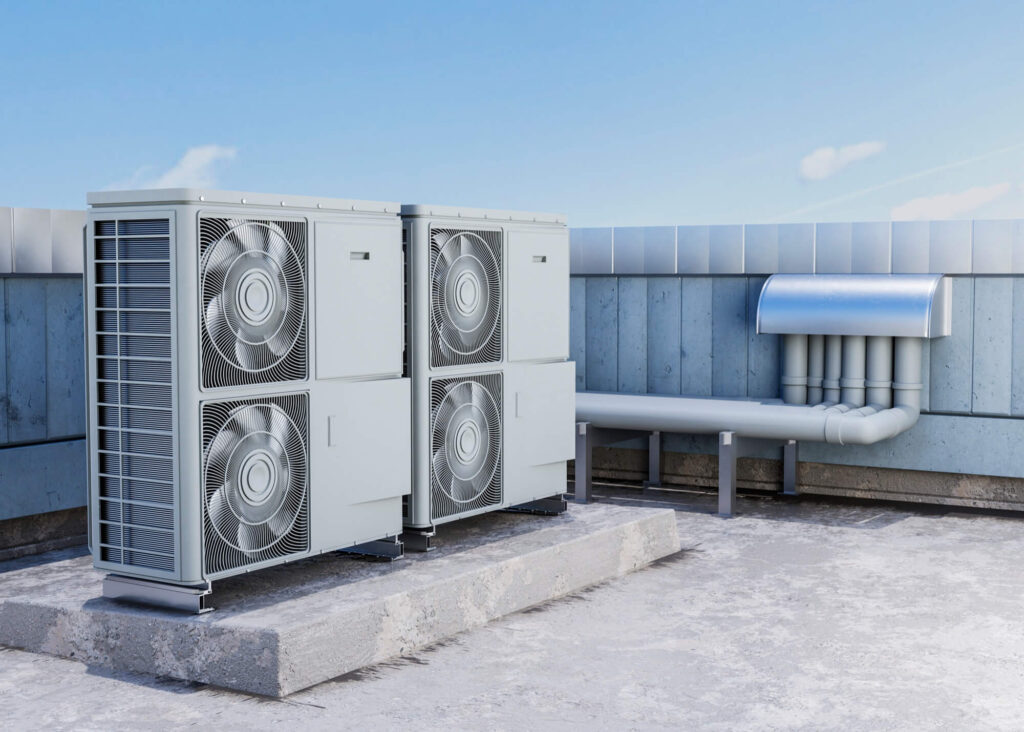
The shift toward energy-efficient and flexible heating solutions has led to the increasing popularity of ductless heating systems. These systems, often referred to as mini-splits, offer an efficient and customizable way to heat homes and businesses without the need for extensive ductwork. Understanding the installation process of a ductless heating system is crucial for those considering this innovative and efficient solution.
What is Ductless Heating?
Ductless heating systems, also known as ductless heat pumps, are HVAC systems that provide both heating and cooling without the need for traditional ductwork. They consist of an outdoor unit and one or more indoor units, which are connected by refrigerant lines. This setup allows for zoned temperature control, making it a versatile and energy-efficient option for both residential and commercial properties.
Steps in the Ductless Heating Installation Process
Installing a ductless heat pump installation involves several detailed steps to ensure optimal performance and efficiency:
1. Site Assessment
- Evaluate the property to determine the most suitable locations for the indoor and outdoor units.
- Consider factors such as sun exposure, airflow patterns, and proximity to electrical sources.
2. Choosing the Right System
- Select the appropriate ductless heat pump unit based on the size and layout of the space.
- Consider energy efficiency ratings and specific needs, such as cooling and heating capacities.
3. Installation of Indoor Units
- Mount the indoor units on walls or ceilings, ensuring proper placement for maximum efficiency.
- Connect the indoor units to the outdoor unit using refrigerant lines and electrical wiring.
4. Installation of Outdoor Unit
- Position the outdoor unit on a stable surface, such as a concrete pad, to prevent vibrations and noise.
- Ensure adequate space around the unit for proper airflow and maintenance access.
5. Connecting and Testing the System
- Connect the refrigerant lines between the indoor and outdoor units.
- Test the system for refrigerant leaks and electrical connectivity.
- Calibrate the system to ensure it functions correctly and efficiently.
Advantages of Ductless Heating Systems
Ductless heating systems offer numerous benefits that make them an attractive option for many homeowners and businesses:
- Energy Efficiency: By allowing for zoned heating, energy is not wasted on unoccupied rooms.
- Flexibility: The system can be used in a wide range of applications, from single-room additions to entire buildings.
- Improved Air Quality: Without ducts, there is less opportunity for dust and allergens to circulate through the air.
- Easy Installation: Compared to traditional systems, the ductless heating installation process is less invasive and quicker.
Considerations for Choosing a Ductless Heating System
When selecting a ductless heating system, several factors should be taken into account:
- Brand and Quality: Opt for reputable brands known for reliability, such as the mitsubishi ductless heat pump.
- Climate Needs: Consider the heating and cooling demands of the local climate.
- Installation Environment: Assess the space available for both indoor and outdoor units to ensure compatibility.
Conclusion
The decision to install a ductless mini split heat pump can lead to significant energy savings and an improvement in indoor comfort levels. Understanding the installation process is vital for ensuring that the system operates efficiently and effectively. With the right system and professional installation, ductless heating systems can provide a long-lasting solution to heating and cooling needs.